




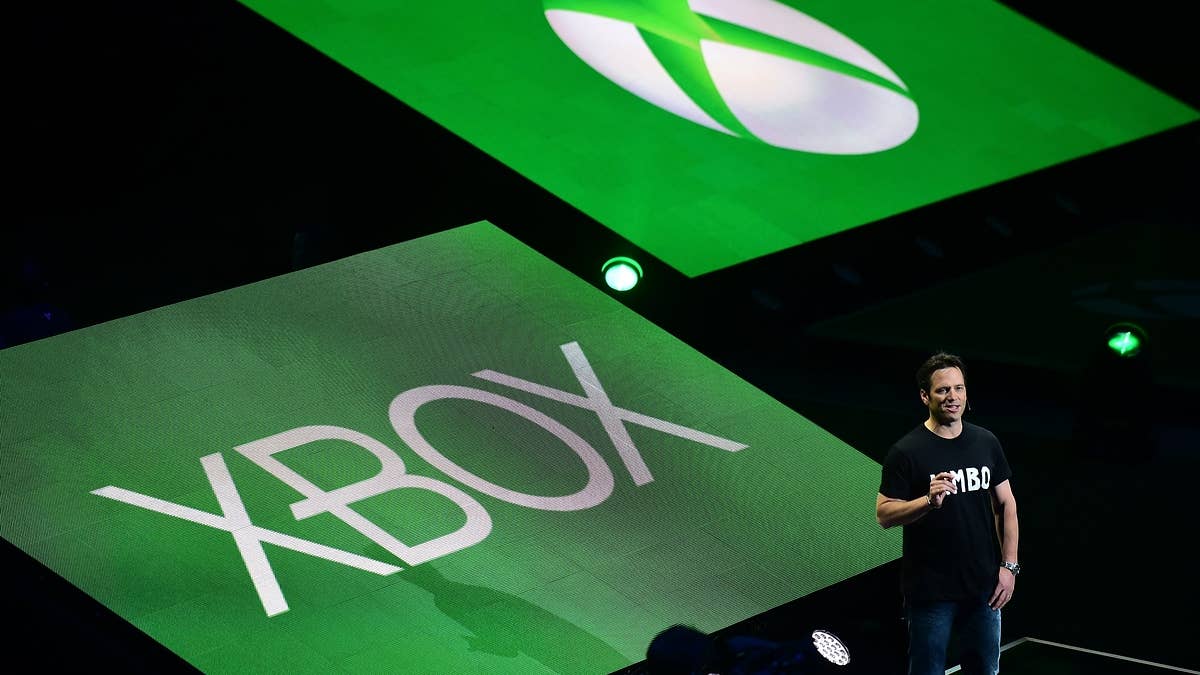




It has been an exciting couple of days for Xbox fan-boys and an exhausting last couple of days for video game journalists. An abundance of rumors have hit the web regarding the Next-Box, Xbox 720, Xbox: The Third, etc. We’ve decided to compile all of the noteworthy rumors into one nice package, as well as provide commentary on what these rumors could mean for the next generation of gaming, if they prove to be true.
The Next-Box will launch in late 2013: If the Next-Box launches in 2013, it will have direct competition with Nintendo’s next-generation WiiU console, which will have a one-year head start. When the original Wii console was first released, the world went crazy over Wii-mania. However, time has passed since then and consumer interest in the Wii console has declined, while interest in the Xbox brand has remained steady. In fact, the Xbox 360 outsold the Wii in the U.S. every month of 2011. By launching shortly after the WiiU, Microsoft would be asserting confidence in their product, while also capturing a portion of the next-generation market. It would seem that Microsoft is opting not to rush out the Next-Box. Hindsight is 20/20, and Microsoft appears to be learning from their mistakes with the Xbox 360 launch. The company rushed out the Xbox 360 consoles in 2005 in order to get the edge on the competition, but this lead to poor quality control and a slew of bricked Xbox 360s. Microsoft is showing restraint this time around, allowing for a proper development cycle.
The Next-Box will be 6 times more powerful than the Xbox 360: The graphical processing power of the Radeon HD 6670 chip, the chip rumored to be utilized by the Next-Box, will be six times as powerful as the Xbox 360. In addition to this, the Radeon HD 6670 will put the next-gen Xbox at 20% more powerful than the technology within the WiiU. This will give Microsoft bragging rights for the console war of 2013. Many gamers have expressed concerns that the Radeon HD 6670 chip is not state-of-the-art technology. Many are even saying that their personal PCs have more powerful GPUs. This may be, but consoles are much different than PCs. Manufacturers need to think about overhead and affordability for the consumer. This is why the Radeon HD 6670 was chosen, a chip that retails at $79.99. Plus, developers have proven time and time again to do amazing things with the technology within a console, so gamers should not be worrying about anything. Especially when the Radeon HD 6670 is capable of supporting DirectX11, multi-display output, 1080p HD, and 3D gaming.
The Next-Box will Ship with an Upgraded Version of Kinect: If the next-generation Xbox is competing with the WiiU, Microsoft’s console better have some kick-ass motion controls behind it. This rumor came courtesy of Kotaku, whose source claimed the new Kinect would come with a built-in processor, which would allow for improved motion detection. Developers may have a better idea of how to create games for the Kinect by then, and better technology will mean better gameplay. It will be interesting to see what Microsoft implements in a new version of the Kinect.
The Next-Box will support Blu-Ray: This is a logical step in Microsoft’s journey toward the next-generation. Blu-Ray functionality is a feature that sells itself, as evidenced by PlayStation 3 sales, and it is necessity as video games move further into the future. No longer restricted to 9 GB, games will be able to hold up to 25 and 50 GB of data on one disc. This means that disc changing will be a thing of the past. The move to Blu-Ray is a smart, yet completely obvious, move by Microsoft. It provides consumers with a newer type of technology, while also allowing for games to fit onto one disc rather than three (ala L.A. Noire). This move will put Microsoft and Sony on an even keel.
The Next-Box will have an anti-used-game system: “An anti-used-game system” is rather vague, but it is all the sources for Kotaku were willing to spill. On the one hand, developers and publishers would love Microsoft for this policy, as it would force gamers to buy new games rather than used games. On the other hand, consumers may ignore a console that discourages the use of used games. When publishers see the quarterly reports for GameStop, they see their money going to the retail giant. Publishers and developers would like that money for themselves and in order to do so, a system would need to be put into place dissuading people from buying or selling used games. Microsoft would make a lot of friends within the game industry if they could pull off an anti-used-game policy. However, by developing a system that discourages playing used games, Microsoft also has the probability of alienating a great many people. A massive amount of people buy used games in order to save money, and if these people knew the Next-Box would put an end to this, they may not even bother with the console. The alienation of this group of people is far too significant to risk. Microsoft would be wise to put this idea on the back burner. Releasing games through digital distribution seems to be the best way to combat the sale of used-games anyway.
So there you have it! A complete list of the most important Next-Box rumors to surface on the Internet! Do these rumors have you more excited or worried for the next-generation Xbox? Sound off in the comment section below or in the official PlanetXbox360 forums! We will be talking much more about the successor to the Xbox 360 in the coming months, especially considering we should see some form of an announcement at E3 2012 in June.